Serving Los Banos, CA and surrounding areas. (209) 592-1771
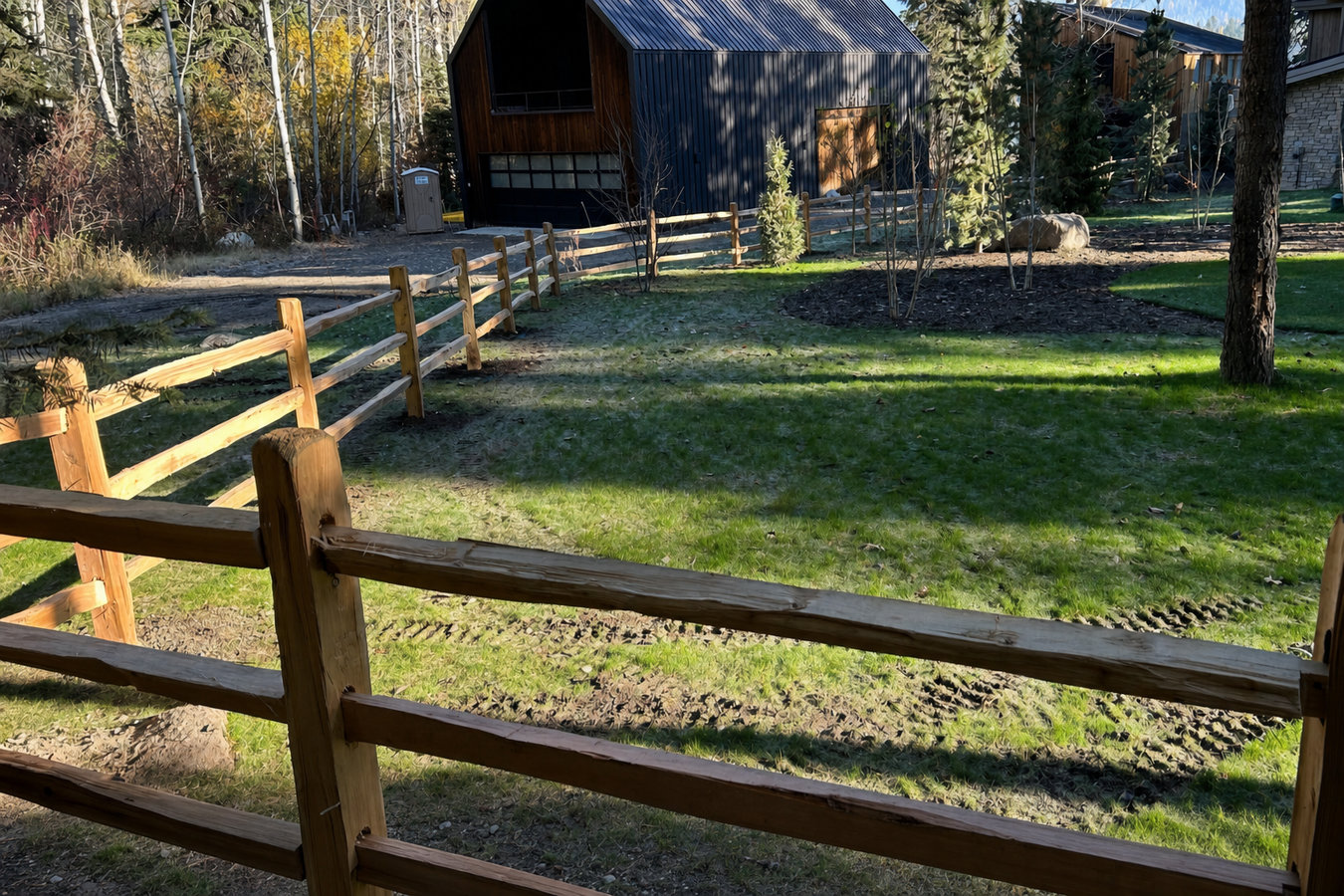
Your animals stay in, predators stay out, and your irrigation access stays intact. We build agricultural fences for Merced County conditions - clay soil, tule fog winters, and properties crisscrossed with water infrastructure.
Farm and ranch fencing in Los Banos covers everything from perimeter livestock fences to interior cross-fencing for rotational grazing, with timelines that depend on property size and fence type - most 10-acre perimeters are completed in two to five days.
Los Banos sits at the center of one of California's most productive agricultural areas, with dairy operations, cattle ranches, horse properties, and row-crop farms all within a few miles of each other. That mix means fencing needs vary widely from one property to the next. We work with landowners who need a simple perimeter fence around a small parcel, and with full-scale ranches that need interior cross-fencing, loading areas, and multiple gates sized for tractor access.
If you have working dogs or need to secure a smaller area within a larger agricultural property, pet and dog fencing can be combined with a farm fence project in the same visit. And for corrals, storage areas, or zones that need both durability and visibility, chain link fence installation is a practical option that holds up well in agricultural environments.
Push on your fence posts. If they rock or lean noticeably, the base has failed - from rot, soil movement, or poor original installation. In Los Banos, the clay soil shifts every season, and older fences that were not set deep enough are especially vulnerable. A leaning post puts stress on the whole line.
Sagging wire is a clear sign that tension has failed, the wire has stretched, or the posts have moved. Livestock quickly find the low spots and test them. If you can push the wire down to knee height between posts, it is no longer containing your animals the way it should.
If you have lost livestock to an escape or a coyote breach, your fence has already failed at its most basic job. Coyotes are a consistent pressure on sheep, goats, and poultry in the Los Banos area. A single breach is a warning - repeated ones mean the fence needs a full evaluation, not just a patch.
If you are adding new animals, switching from row crops to livestock, dividing pastures, or buying adjacent land, your existing fence layout may no longer work. This is a good time for a full assessment - not just a repair - so the new layout fits how you actually operate.
We install the full range of agricultural fence types used throughout Merced County. Barbed wire is the most cost-effective choice for large perimeters where cattle are the primary animal and the goal is containment over a long stretch of flat ground. Woven wire - sometimes called field fence - works better when you need to contain smaller animals like goats, sheep, or young calves, because the smaller mesh openings prevent escapes that barbed wire cannot stop. High-tensile smooth wire has become a popular upgrade for properties with seasonal soil movement because it stretches under pressure without breaking and springs back without losing tension.
For corrals, loading areas, and horse properties, steel pipe or wood post-and-rail gives you the strength to handle animals that push against the fence and the visibility to manage livestock movement. Every project includes a fence line walk before work begins, a gate layout discussion, and 811 utility marking before any post holes are dug. We also handle cross-fencing for rotational grazing, which pairs well with pet and dog fencing if you are running working dogs on the property. For working areas that need a hard boundary without blocking sightlines, chain link fence installation is a practical option we install regularly on agricultural properties.
Best suited for large cattle perimeters on flat ground where cost per linear foot is the primary driver.
The right choice for properties with sheep, goats, calves, or any smaller animals that can slip through wide wire spacing.
Preferred by landowners who want a fence that handles seasonal ground movement without losing tension or snapping.
Built for horse properties, loading chutes, and corrals where animals push hard against the fence daily.
Interior fencing that divides pastures for rotational grazing, separating animals by type or creating rest periods for pastures.
Sized for your largest equipment - 12 to 16 feet for tractor access, with walk-through options for foot traffic and smaller animals.
The soils around Los Banos are dominated by heavy clay and adobe - the kind that bakes rock-hard in August and turns expansive and slick when winter rains arrive. Posts driven into dry clay during summer can shift and heave when the ground swells after the first rains. A contractor who has not worked in this specific soil type will set posts at standard depth and move on. We set corner and gate posts deeper, use concrete collars on the anchor points, and time the work to avoid the driest or wettest extremes. The tule fog that settles over the San Joaquin Valley from late fall through February also keeps humidity high for weeks at a stretch, accelerating rot on untreated wood posts. We use treated materials designed to last in this environment.
The Los Banos area is also crisscrossed with irrigation canals, drainage ditches, and buried water delivery lines managed by local water districts. Fencing near these features requires care - you may need access gates for maintenance crews, and digging near buried irrigation lines requires extra caution. We ask about water infrastructure during every site walk. We serve agricultural properties throughout the area, including Gustine and Dos Palos, where the soil conditions and irrigation networks are similar to those in Los Banos.
We will get back to you within one business day. We ask a few basic questions - what animals you have, roughly how much fence you need, and what problems you are trying to solve - so we show up to the estimate with the right knowledge.
We walk the proposed fence line with you, agree on the route, discuss gate locations, and identify complications like irrigation lines or rocky ground. A written quote with a breakdown of materials and labor follows within a few days.
Before work begins, you will need to move animals away from the work area. We call 811 to have underground utilities marked before any digging starts - required by California law and something we handle on every job.
Corner and gate posts go in first and are set in concrete. Line posts follow. Wire is stretched and fastened, gates are hung and tested. Before we leave, we walk the full line with you so you can flag anything that does not look right.
No obligation. We give you a straight quote after walking your land - no guesses, no surprises.
(209) 592-1771The clay and adobe soil around Los Banos behaves differently from standard soil - and so does a property with buried irrigation lines running through it. We account for both during every estimate and every installation. Landowners in this area should not have to explain their conditions to a contractor from out of the region.
Corner and gate posts on every farm fence we install are set at depth and anchored with concrete because the clay soil here swells and contracts with the seasons. That is not a standard practice everywhere - but it is in this climate, and it is what keeps your fence straight for decades rather than a few years.
A gate that is too narrow for your tractor is not a gate - it is a bottleneck. We ask about your largest equipment before we lay out the fence line, and we size gates accordingly. The UC Cooperative Extension serving Merced County and the American Fence Association both provide guidance on gate sizing that we reference in our planning.
The tule fog and wet winters in the San Joaquin Valley accelerate wood rot at the soil line. We use pressure-treated posts on every wooden installation - not because it is the cheapest option, but because it is the only option that lasts in this climate. A fence built right the first time is the most cost-effective fence you will ever buy.
Agricultural fencing in the Los Banos area is not the same job it is in drier or flatter parts of California. We have built enough fences on Merced County properties to know where the problems come from - and how to prevent them before the first post goes in.
For agricultural fencing guidance specific to the Central Valley, the UC Agriculture and Natural Resources cooperative extension provides research-based guidance on livestock fencing. For zoning and right-of-way rules in Merced County, contact the Merced County Planning and Community Development office before any fence work begins near a county road. California requires a call to 811 before any digging on your property.
Secure containment fencing sized for dogs of all breeds, with options that work alongside existing agricultural perimeters.
Learn MoreGalvanized chain link for corrals, storage areas, and working zones where durability and visibility both matter.
Learn MoreThe dry season makes post-setting easier - call now to lock in your installation date before the ground hardens.